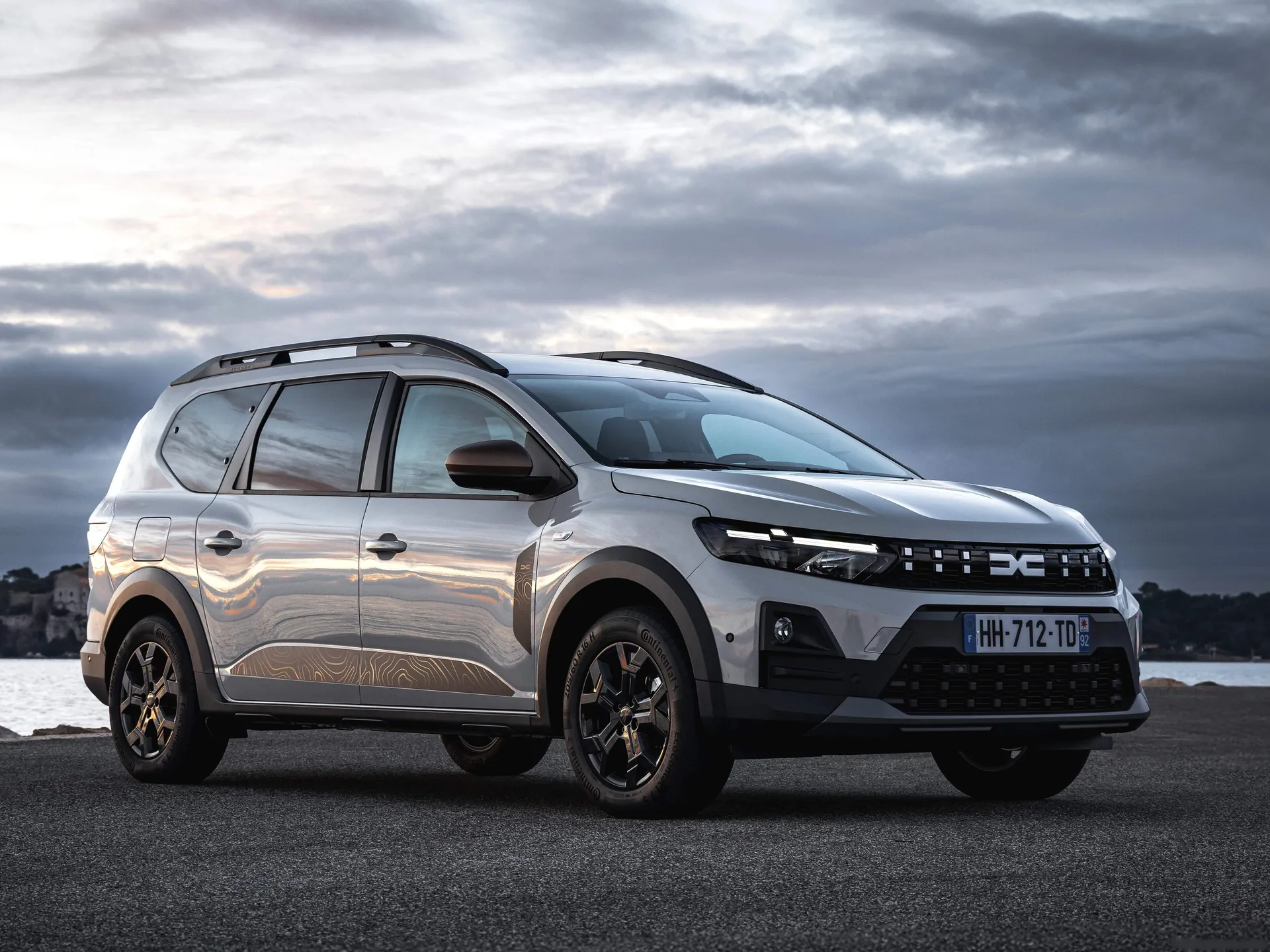
Dacia Lodgy Stepway
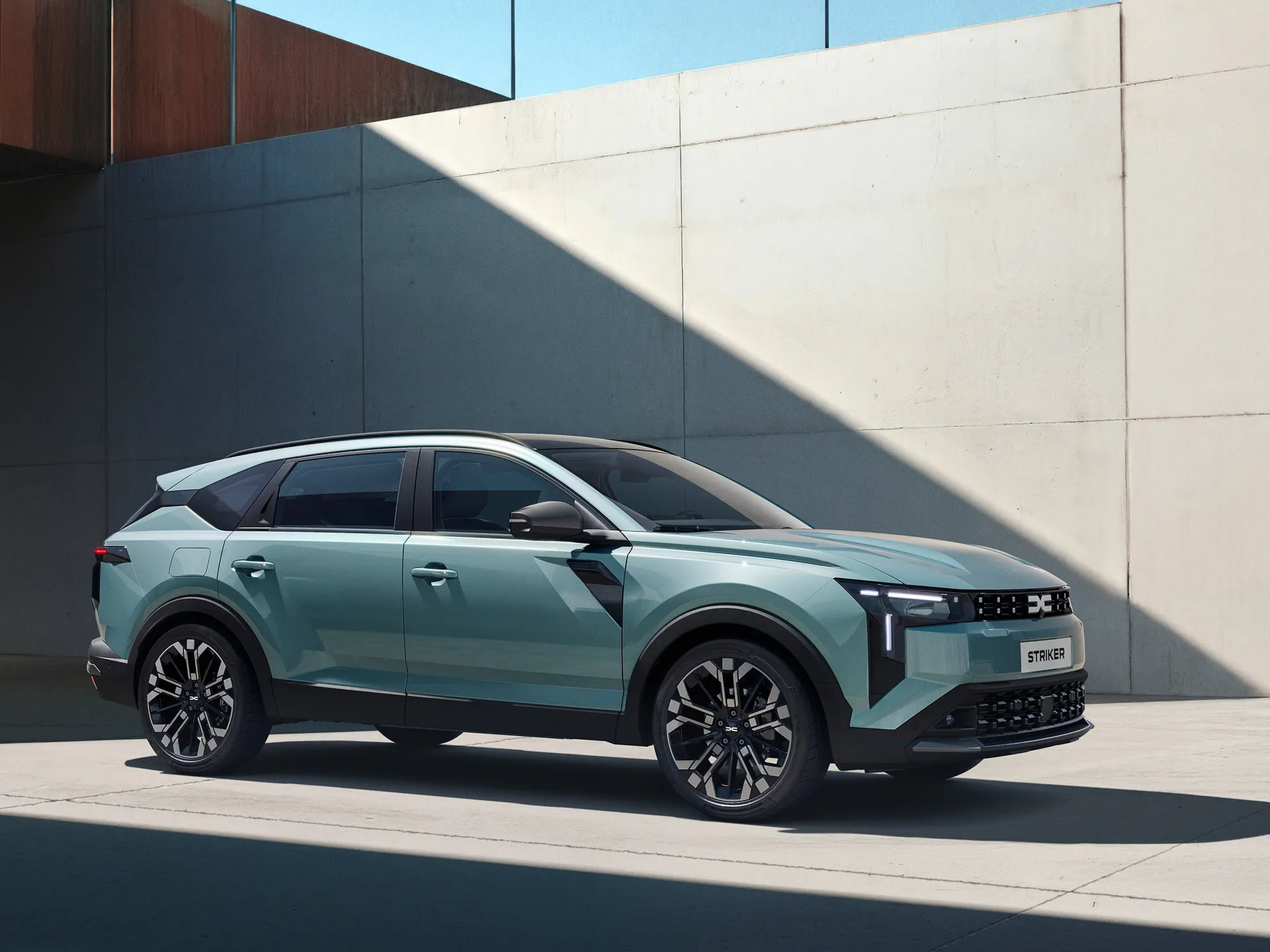
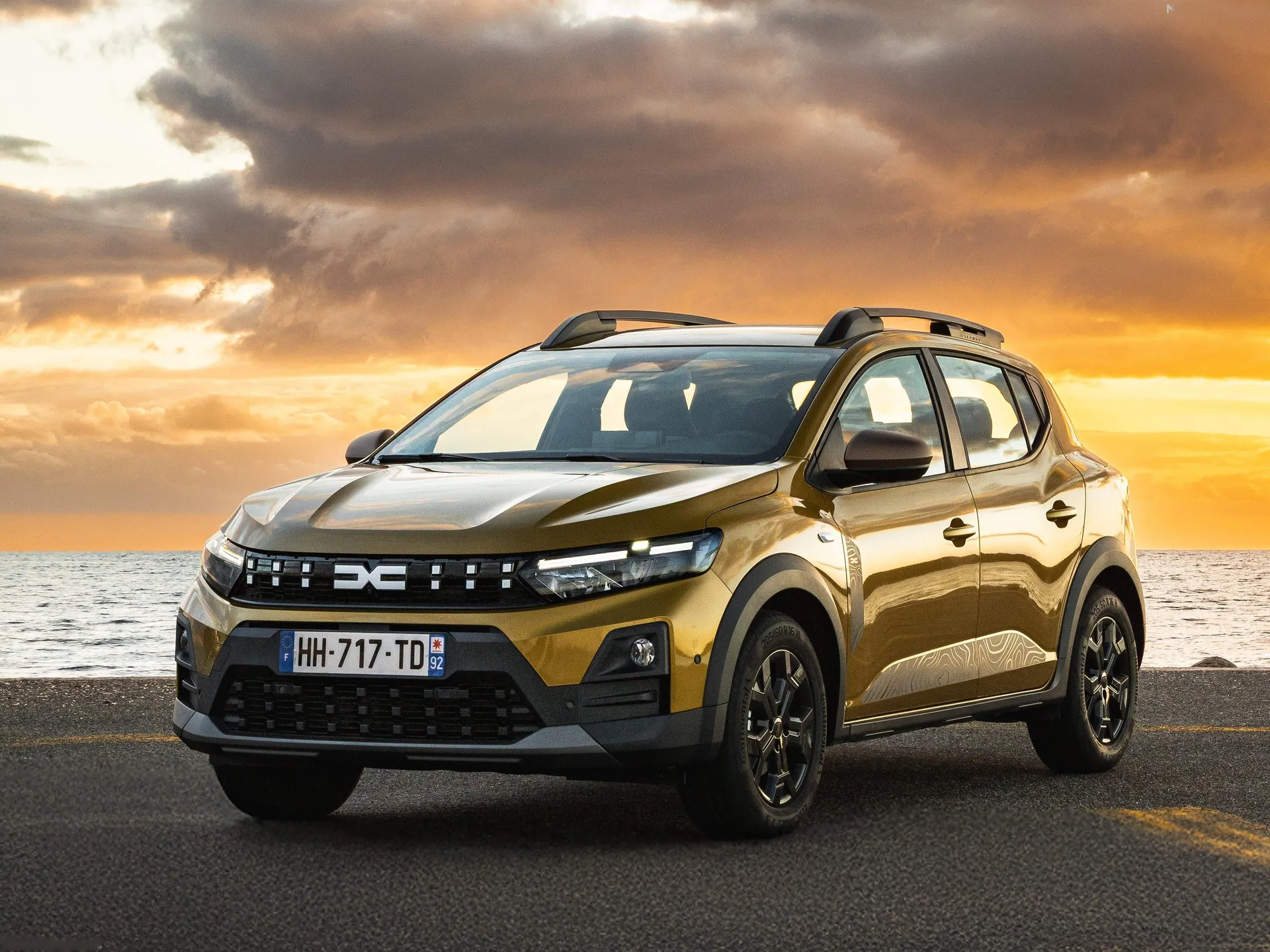
The Stepway versions of Lodgy and Dokker boast a muscular look and powerful personality inspired by crossover vehicles.
The two new versions feature special design components:
Dacia Lodgy Stepway and Dokker Stepway are available in Azurite blue body paint with a "Stepway" decal on the front doors. Following in the footsteps of Sandero Stepway, both models boast assertive and adventuresome styling.
Special interior and comprehensive equipment
Lodgy Stepway and Dokker Stepway feature special upholstery with embroidery and blue topstitching.
The dials and air vents are circled in the same blue tone to be found on the central instrument cluster. The colour contrasts perfectly with the Dark Carbon interior design scheme, further underscoring the vitality of the new Stepway models.
Expanding the existing range, Lodgy Stepway and Dokker Stepway ship with a wide range of equipment (standard or optional), including: the Media Nav multimedia system, air conditioning, a speed limiter/cruise control system and a reversing radar. And for even more everyday practicality, both trim levels come with new net storage pockets in the rear and at the sides of the front seats.
Dacia Lodgy Stepway is powered by frugal, high-performance engines
Dacia Lodgy Stepway is available with two petrol engines, the TCe 115 and the 1.6 MPI (with 80 hp or 85 hp), both mated to a 5-speed manual gearbox.
The TCe 115 unit consumes just 5.7 l/100 km over a combined cycle for the five-seater model, for CO2 emissions of 131 g/km (5.9 l/100 km and 135 g/km for the seven-seater).
Fuel consumption for the 1.6 MPI 80 (Euro 4 countries) engine is 7.6 l/100 km over a combined cycle, for CO2 emissions of 179 g/km.
The 1.6 MPI 85 engine achieves 7.0 l/100 km over a combined cycle, for 161 g/km of CO2.
For diesel fans, Dacia Lodgy Stepway is available with the 1.5 dCi engine developing 85 hp (Euro 4 countries), 90 hp or 110 hp
Fuel consumption for the 1.5 dCi 85 is 4.7 l/100 km, for 124 g/km of CO2.
The 1.5 dCi 90 and 110 are among the most frugal engines in the segment, at 4.2 l/100 km (109 g/km of CO2) and 4.4 l/100 km (116 g/km of CO2) respectively.