Volkswagen ID.Polo [UK]
For more than half a century the Volkswagen Polo has been a cornerstone of the brand's commercial success, both here in the UK and around the world. Since its launch in 1975, and over the course of six distinct generations, the beloved Polo has been bought more than 20 million times worldwide - making it one of the most successful Volkswagens ever made. Today, the new ID.Polo electrifies that success, bringing one of the most familiar model names on our roads into the electric age and, with it, delivering attractive, affordable, and practical everyday driving.
The ID.Polo combines clear design, generous space and high build quality with outstanding value, all in a cleverly engineered package that delivers exceptional interior space, including luggage space of up to 441 litres with all five seats in place.
'Likeability', 'stability' and 'secret sauce' are the three core principles that underpin the car's design. It has the signature Volkswagen smile at the front, slightly flared wheel arches provide a strong stance on the road, and innovative retro touches inside entertain drivers and pay homage to the brand's long heritage. The modern infotainment screen and digital cockpit can be switched to displays reminiscent of the original Golf; attention to detail here includes a music cassette with rotating tape spools, and even liquid-crystal displays with faint shadows behind un-used segments.
Volkswagen has designed a bespoke electric drive system for the ID.Polo, maximising not only its range and performance but also its interior space. While the larger ID. models are equipped with rear-wheel or all-wheel drive, the ID.Polo uses electric front-wheel drive based on the enhanced MEB+ platform. The result: three power output options (116, 135 and 211 PS) and two battery sizes (37 and 52 kW), delivering a WLTP combined range of up to 281 miles, depending on specification, and standard direct current (DC) charging of up to 105 kW, which allows rapid top-ups from 10 to 80 per cent in as little as 24 minutes.
The MEB+ platform enables a flat floor and efficient packaging for more interior space than comparable cars in the supermini class. Boot space is up more than 25 per cent (90 litres) on the internal combustion-engined Polo, at 441 litres, and with the rear seat backrest folded down the load volume increases to 1,240 litres. Cabin space is up, too, with an increase of 19 mm in the interior length alone. The car's practicality credentials even extend to towing - with a maximum trailer weight of 1,200 kg - and the ability to use the high-voltage battery to charge and power external devices, via the ID.Polo's vehicle-to-load (V2L) function.
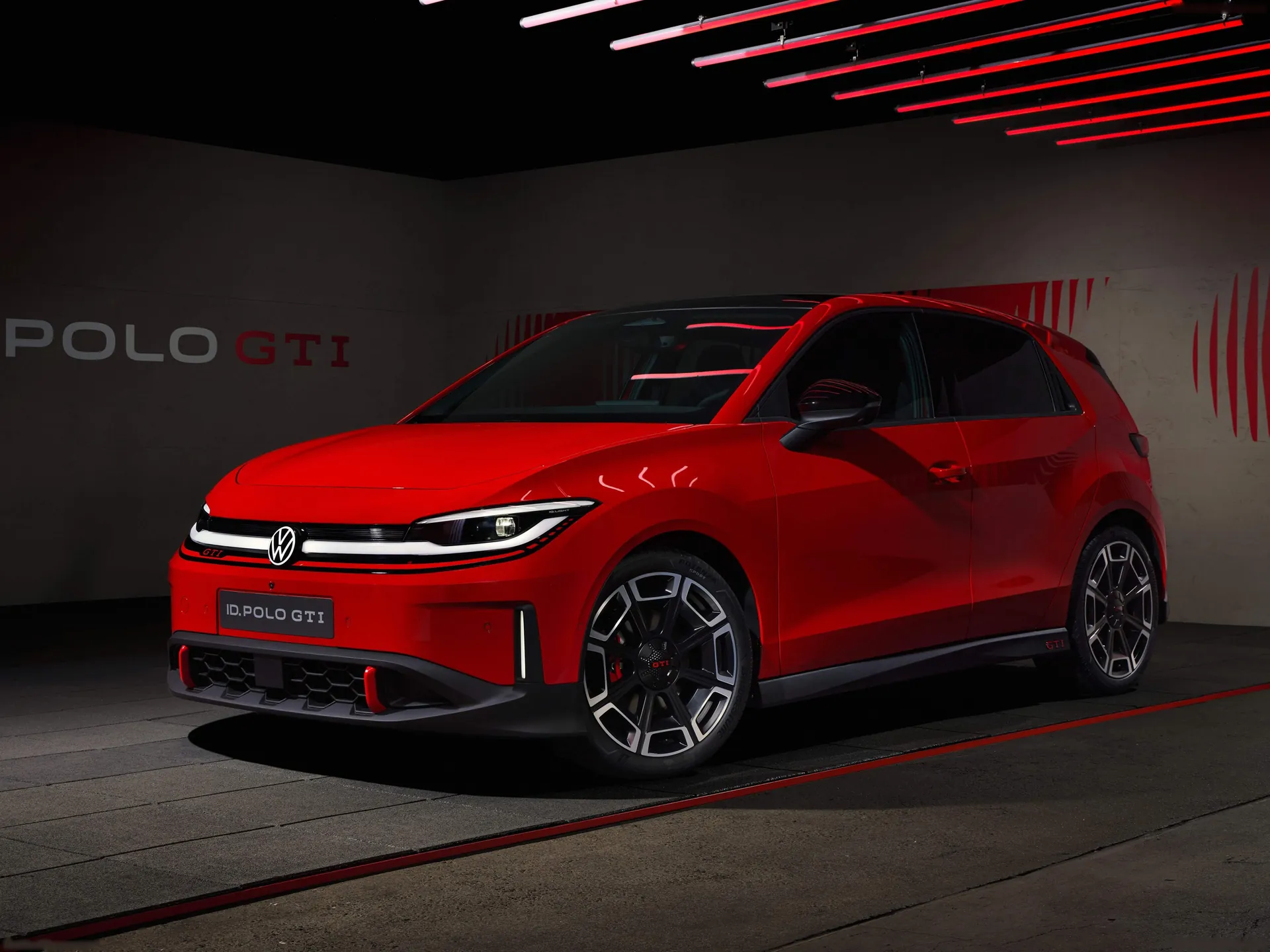
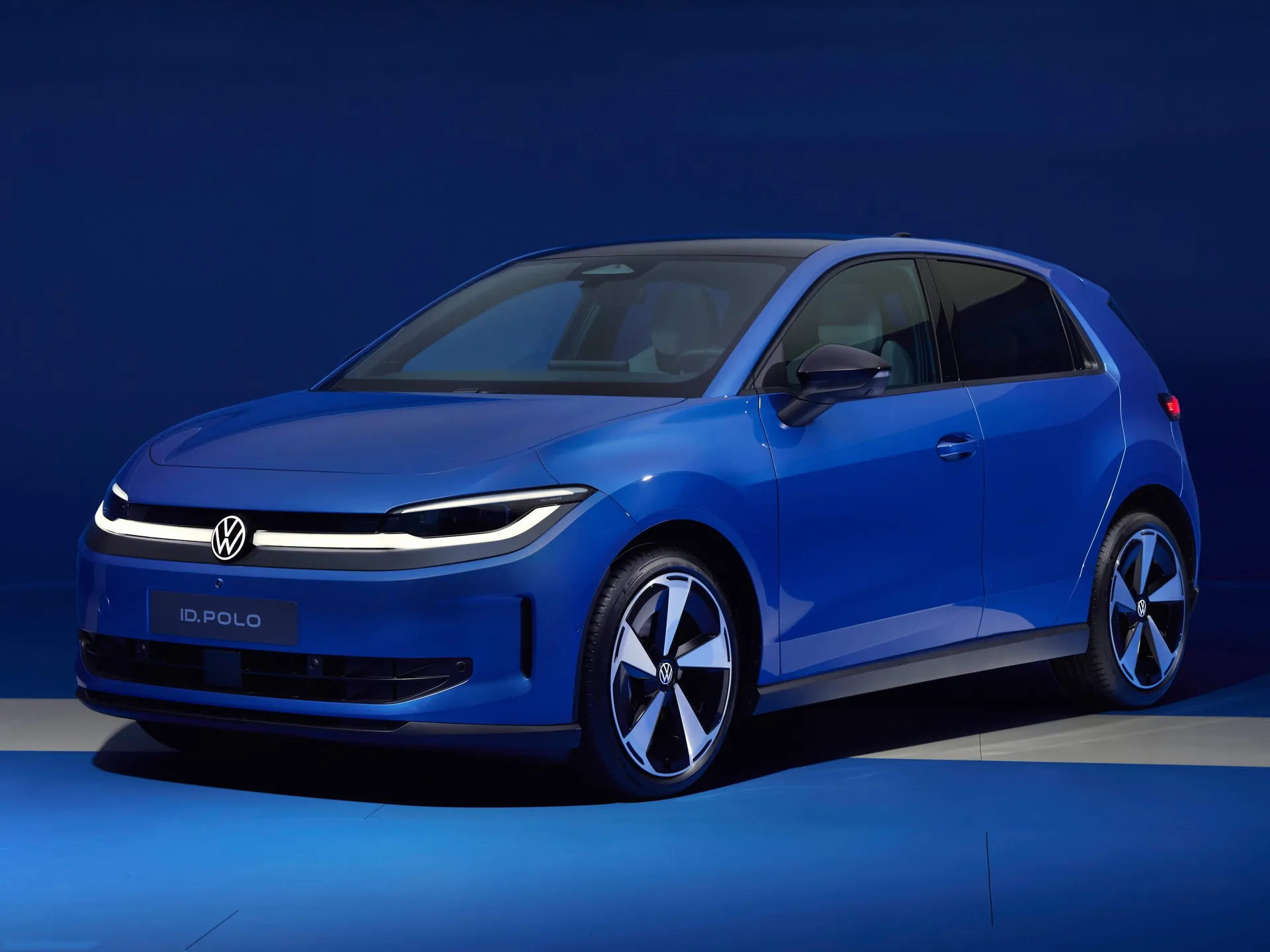
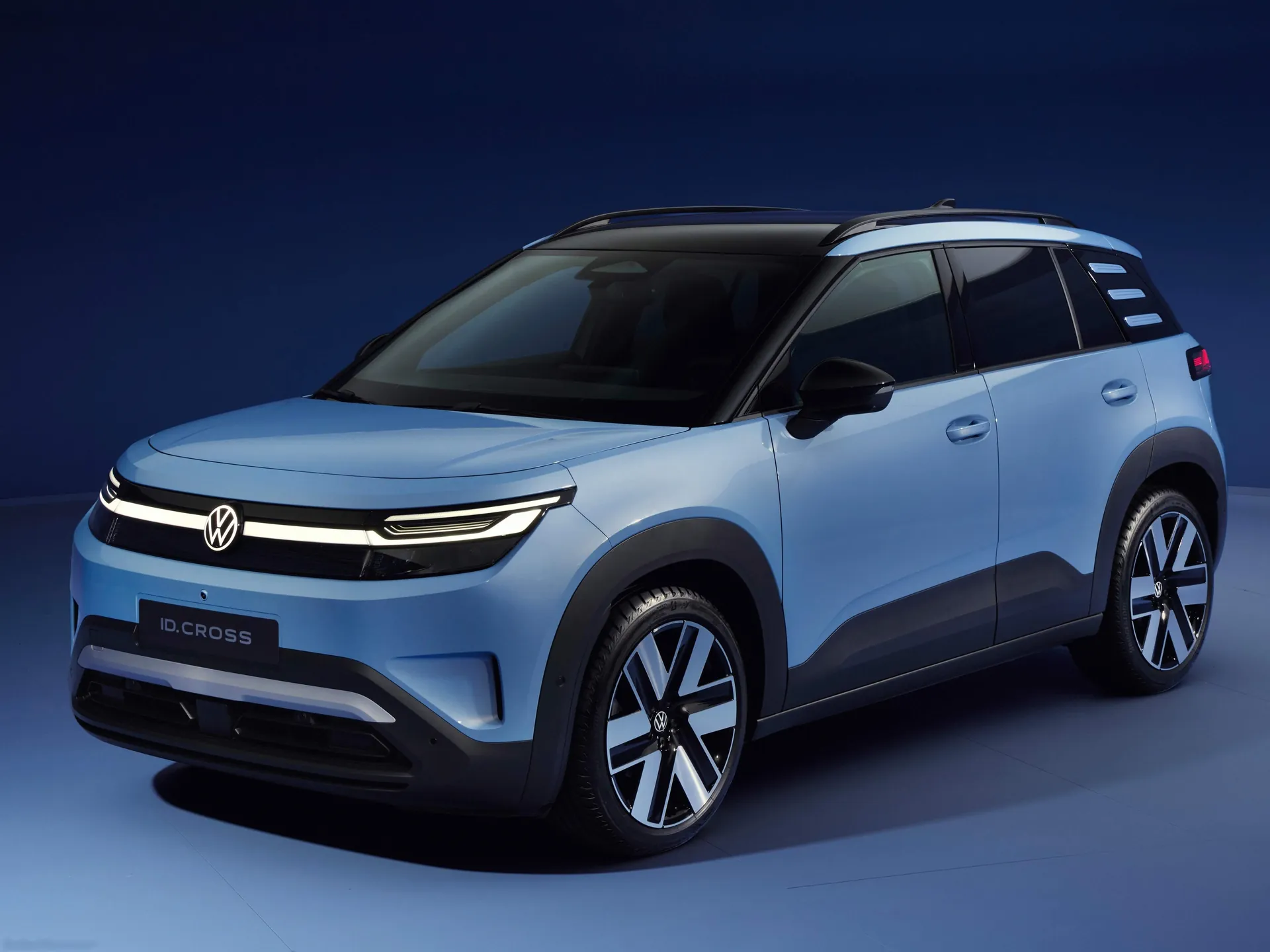
Unmistakably Volkswagen from all angles, the ID.Polo follows the brand's new Pure Positive design philosophy inside and out with, for example, an illuminated Volkswagen badge accompanied by a clean horizontal light strip connecting modern headlights - itself an ID. trademark. Meanwhile, the spacious interior combines intuitive physical controls with a clean digital layout.
The ID.Polo opened for order in the UK in July 2026 with, initially, two bespoke launch options and one battery size and power output: ID.Polo Life Launch Edition and Style Launch Edition (52 kWh and 211 PS). Two mainstream trim options - Life and Style - and two battery sizes with three power outputs (37 kWh with 116 PS or 135 PS; or 52 kWh with 211 PS) opened for order in the autumn of 2026, with prices starting from £23,945 (on-the-road recommended retail price including VAT). That price drops to £22,445 with the Government's electric car grant - which at current prices (October 2026) is just £135 more than a petrol-powered Polo.
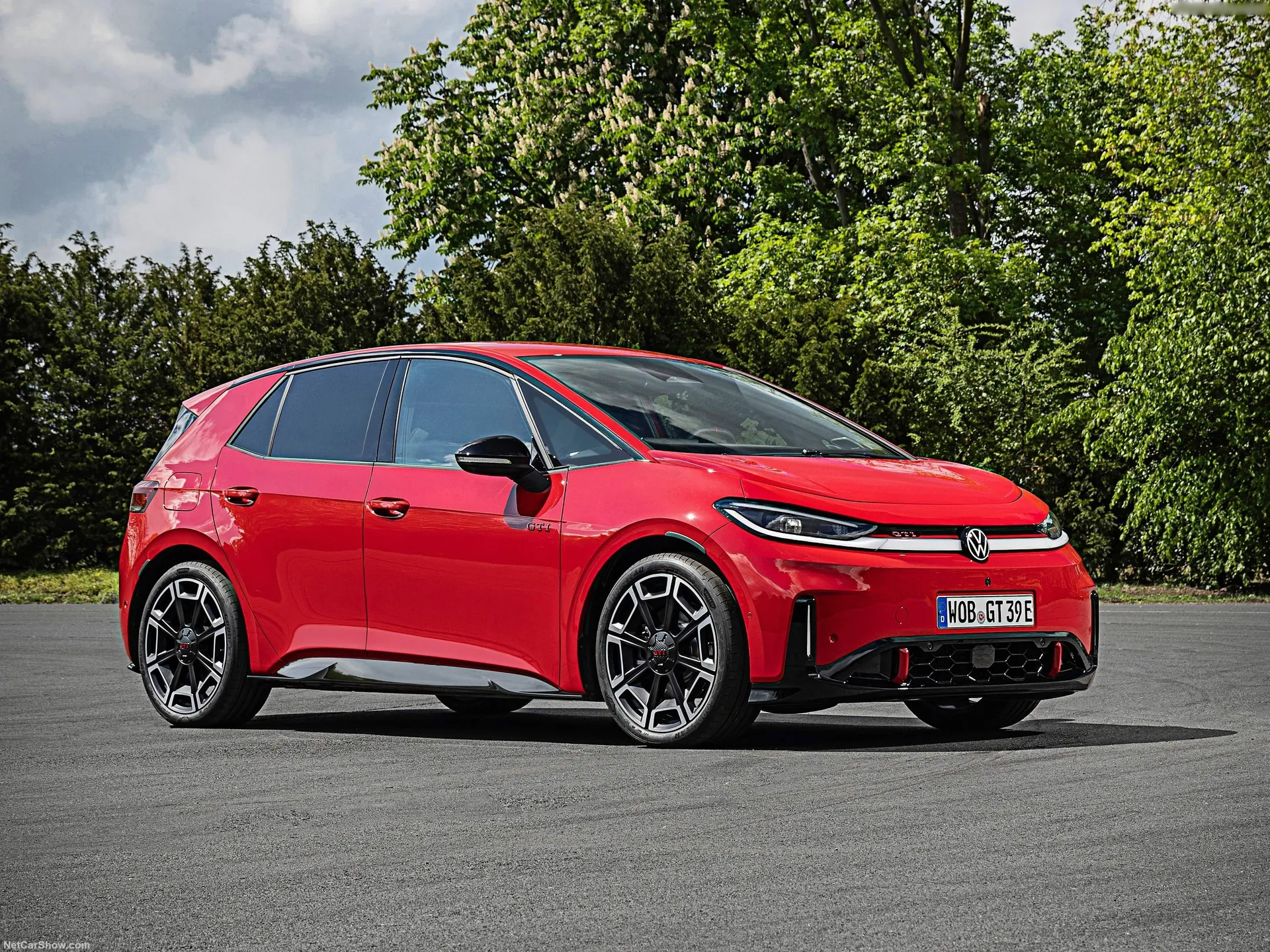
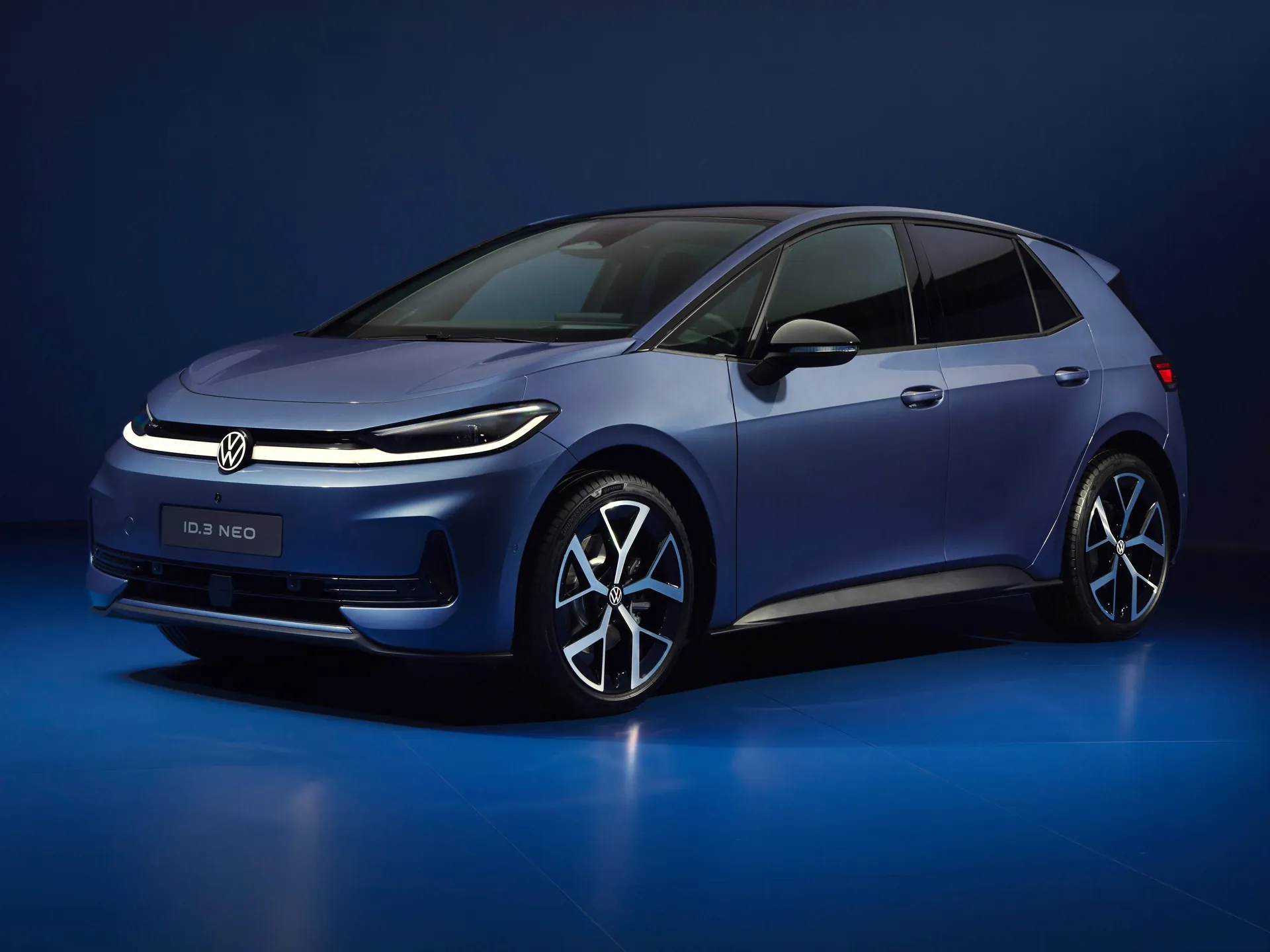
Showcasing the latest Volkswagen design philosophy, the front of the ID.Polo has a friendly 'smile' derived from elements such as the headlight arrangement and shape, the pupil-like LED light units and a glass-covered horizontal bar in-between. This likeable appearance is reinforced by a horizontal surface painted in the vehicle colour below the light bar, bounded by vertical airflow openings (air curtains) that help give the ID.Polo an impressively aerodynamic Cd value of 0.264. Meanwhile, the new Volkswagen trademark design features of stability and 'secret sauce' are also visible thanks to a wide track of 1,522 mm, wheels of up to 19 inches in size and flared wheel arches. As such, the ID.Polo appears powerful, and therefore stable. The illuminated VW logo and LED strip between the headlights (optional for Life, standard on Style) are well-established Volkswagen design characteristics that help to make the ID.Polo unmistakable, day or night.
Viewed side-on the ID.Polo is, again, immediately recognisable as a Volkswagen. The window shoulder, the character line beneath it and the side member create dynamic lines that extend towards the front. This linear design has defined generations of Volkswagen models for decades and, for the ID.Polo, the interaction between these lines has been reinterpreted and transferred to the supermini sector. Visual stability is also enhanced by a defining detail that harks back to the first Golf: the C-pillar design. This new design detail also enlarges the rear door cut-out - making it easier to get into the rear seats. Another eye-catching element is the volume above the wheels which, in the ID.Polo, is kept so low that the Volkswagen - similar to a sports car - creates the visual impression of being strikingly stable on the road.
The ID.Polo makes a powerful impression at the rear with its well-balanced division of surfaces. Under the striking roof spoiler, the rear window extends deep into the C-pillars, emphasising the car's width and, naturally, ensuring a good view to the rear from the inside. Below the window it is the glass-covered LED horizontal bar of the tail light clusters which, together with the horizontal area underneath painted in the vehicle colour, creates a sporty, likeable effect. In the IQ.LIGHT version of the tail light clusters the two outer, almost rectangular, LED elements have a three-dimensional quality. As a result, they appear to float freely in the rear end section. In the IQ.LIGHT version, the transverse strips in the rear light crossbar and the VW logo are illuminated.
Interior design: unprecedented space and flexibility
Aside from the obvious substitution of one drive system for another, perhaps the greatest difference between the ID.Polo and its predecessors comes in its interior space. The car benefits from the compact drive technology of the MEB+ platform, and thus offers clear space advantages over both its predecessor and many competitors in its class. Passengers now have 19 mm more interior room, which is particularly noticeable in the rear, while there is also appreciably greater interior width and headroom. Moreover, boot space is up by a good 25 per cent - from 351 to 441 litres - and when the rear seat backrests are folded down the load capacity increases to 1,240 litres (1,125 litres in the equivalent petrol Polo).
This extra space is important in that it makes the five-seater ID.Polo more of an all-rounder than any of its predecessors, making it as viable for longer distance trips with five occupants and their luggage as it is for tailpipe emissions-free driving in urban life.
Every detail of the interior has also been revamped or redesigned. Among other things, the ergonomic blend of digital and physical controls, as well as the horizontal architecture of the dash panel, are among the features most immediately noticeable. The digital instruments (Digital Cockpit) and infotainment display integrated in the centre of the dash panel are ideally arranged on a horizontal visual axis for the driver, while these two displays alone demonstrate the high quality, precision and functionality of the ID.Polo.
The ID.Polo's Digital Cockpit aligns with the new infotainment display on one visual axis while featuring crystal-clear graphics. It measures 26 cm (10 inches) across the diagonal and offers a choice of various graphical 'views', among which is a retro display that shows an instrument view mimicking that of a late-model Golf Mk1 from the 1980s. With this display selected, there is a classic speedometer on the left and a 'rev counter' on the right: the latter displaying the energy output or energy absorption, by recuperation, of the drive as a power display. Functions such as the display for the Dynamic Road Sign Display and other assist systems are cleverly integrated into the retro display.
The ID.Polo's impressive new infotainment system, which is integrated into the centre of the dashboard, has a screen diagonal of 32.77 cm (12.9 inches) and therefore looks like a modern tablet. Its high-resolution display ensures a clear and detailed image, and is easily operated by driver or front seat passenger. The menu structure is familiar from the operating concept of current Volkswagen models, and the touchscreen interface is divided into three levels: the top bar, home screen (middle) and bottom bar. Favourite functions can be added as direct access elements in the top bar and home screen, and while the driver accesses functions via a variety of changeable apps on the home screen, the individually configured top bar and static bottom bar are permanently displayed. This makes the system highly intuitive. For instance, the top bar is equipped with a direct access button that enables the driver to access the main menu with an overview of all apps with just one click and, next to this, is a button for the Car Control Centre, which offers direct access to the most important vehicle functions, which can be individually configured. The home screen in the middle combines the most important apps on differently sized graphic tiles with, for example, navigation, media, telephone or the IDA voice assistant stored here. The bottom bar contains access to the air conditioning and seat functions and has a home button that lets the driver return to the home screen at any time.
The touchscreen's modern 'standard' view can be switched to a 'retro' display with a simple swipe of the hand. When selected, the top and bottom bars remain identical while the home screen changes to use '70s- and '80s-inspired graphics. In this mode, the navigation map appears in the style of a television set from the last century and the radio is displayed as a frequency band, with the media player presented as a cassette. Even the charge level display takes on the design of a classic fuel gauge, with the designers and engineers adding this mode simply to add fun, and increase enjoyment of the ID.Polo. Particular attention to detail has been added to these retro elements. For example, the cassette has rotating reels that show the tape moving from one side to the other. The odometer also rotates manually on screen, adding an element of authenticity.
The ID.Polo's new multi-function steering wheel now features a 'squircle' rim that is flattened at the top and bottom, along with new clearly structured button panels. In terms of button placement, the functions of the cruise control system or, depending on equipment, Adaptive Cruise Control and Connected Travel Assist, are combined in the button group to the left of the airbag, along with a volume control rocker switch at the base of the button cluster.
To the right of the airbag is the button panel controlling the Digital Cockpit and operating the steering wheel heating. There is also a corresponding rocker switch at the bottom of the button cluster for selecting different tracks, or stations, in the infotainment system.
Controls for gear position, parking brake, indicators, headlight main beam and windscreen wiper functions are located behind the steering wheel, while integrated in the steering column itself is the start/stop button for the vehicle's drive.
Digital and analogue technologies in harmony
The central climate control functions - temperature control, fan speed, air conditioning, automatic mode, air recirculation, windscreen defroster and rear window heating - are grouped in a separate button panel, with the hazard warning light switch positioned centrally. Below this is a handy smartphone storage area with an equipment-dependent inductive charging option, two drinks holders and centre armrest with an integrated storage compartment underneath. Located between the smartphone tray and drinks holders is the rotary control for audio functions, used to adjust volume and to change songs and stations using the track function. The ID.Light (standard equipment for the Style) has been comprehensively upgraded and, for the first time in a Polo, the interactive light strip extends not just across the width of the dash panel below the windscreen, but now also into the front doors. The door openers also have a new design. Attention to detail is noticeable not only in the ID.Polo's intuitive interior design and the quality of the materials, but also by equipment-dependent refinements such as the elegant decorative seams in the door trim and the integration of small Volkswagen badges to finish off these elegant seams. The badges can be customised (trim dependent) using the Volkswagen Accessories range.
The high-quality materials used in the ID.Polo form part of an innovative, welcoming design and, wherever possible, sustainable materials are used. Textile fabrics in the seats and doors, as well as the upper side of the headliner and carpets, are made of rPET materials - recycled polyethylene terephthalate, a thermoplastic that is mostly obtained from PET bottles. The Style seats also use a fabric made from SEAQUAL® yarn - its base material is recycled ocean plastic.
Volkswagen has designed the ID.Polo's electric drive system specifically for this model. While larger members of the ID. family have rear-wheel or all-wheel drive, the ID.Polo uses electric front-wheel drive based on the enhanced MEB+ platform. The heart of this drive system is the new APP290 electric drive motor - a permanently excited synchronous motor. APP stands for axial parallel position, while 290 indicates the maximum torque achievable in Newton-metres. The motor is compact and light at only 75 kg, which benefits energy consumption, agility and the use of space. The APP290 is mated to a one-speed gearbox with integrated pulse inverter.
The new pulse inverter - also referred to as the power electronics - coordinates the power and torque development as well as drive system recuperation. These power electronics also convert the direct current (DC) stored in the battery into the alternating current (AC) needed by the electric drive motor.
The pulse inverter is a Volkswagen development which, thanks to the advanced components and high-quality materials used, increases efficiency and therefore lowers energy consumption. Other components of the drive system, which is integrated compactly in the front end, include the AC and DC charging socket at the front on the right-hand side of the ID.Polo, and the electric air conditioning compressor. As an important thermal management component, the latter has been carefully decoupled from the body and therefore does not transmit any vibrations to the interior.
At launch, the ID.Polo is available in two bespoke launch edition trims (Life Launch Edition and Style Launch Edition) and two mainstream trims (Life and Style). There are three power output options available from a choice of two battery sizes: 116 PS (85 kW), 135 PS (99 kW) and 211 PS (155 kW). They generate a maximum torque of 264 Nm (116 and 135 PS) and 290 Nm (211 PS). The maximum drive motor speed is 13,000 rpm (116 and 135 PS) and 15,000 rpm (211 PS).
The 116 PS and 135 PS drive motors are coupled to a 37 kWh (net) battery with a DC charging capacity of up to 88 kW. When the ID.Polo is configured with the 211 PS drive motor, as a matter of course it also gains the larger 52 kWh (net) battery, which can be charged at up to 105 kW at DC quick-charging stations. Both of these unified cells are new, having been created in cooperation with Volkswagen subsidiary PowerCo. The battery system uses cell-to-pack technology, where the cells are combined directly into a battery pack without an intermediate step via module housings, with three of these battery packs together forming the ID.Polo's energy storage unit. Importantly, the units support flexible chemistry options within the same physical format. So, the 37 kWh battery is lithium-ferrophosphate (LFP), while the 52 kWh version is a high-performance nickel-manganese-cobalt variant (NMC) with an even higher energy density.
To increase the range in low outside temperatures, Volkswagen offers the option of a heat pump for the ID.Polo. This compresses a refrigerant under high pressure, thereby generating heat. It is used to heat cold air inside the vehicle, so the interior heater needs to draw less energy from the high-voltage battery which can improve the range, especially in winter.
Four driving profiles, four driving characters
The ID.Polo's driver can influence factors as diverse as power delivery and energy consumption using four distinct driving profiles: Eco, Comfort, Sport and Individual. As the name implies, Eco supports a consumption-efficient driving style and, in practical terms, selecting it means the ID.Polo accelerates slightly more gently, while the output of both the drive system and the air conditioning settings is also reduced. Comfort is the standard driving profile, designed for the best possible balance of driving characteristics while, true to its name, Sport focuses on maximum dynamic performance for the drive and steering. The Individual driving profile, meanwhile, lets drivers set up the ID.Polo precisely to their requirements in terms of steering, drive system, driving sound, ACC, light assistance and air conditioning.
All ID.Polo models can be configured with a towing bracket (drawbar load: 75 kg). With its detachable and lockable towing bracket, the ID.Polo is able to effortlessly pull small trailers for all kinds of gardening and shopping tasks. The permissible towing capacity of the 211 PS versions is particularly high, allowing them to tow trailers with a total weight of up to 1,200 kg (at eight and 12 per cent gradients), which is enough for a small caravan. The drawbar load is also designed for transporting two e-bikes.
The exterior sound of the ID.Polo has been created to meet safety requirements, which stipulate that pedestrians must be able to hear an inherently near-silent electric vehicle at low speeds. Volkswagen has designed a new brand sound, with various parameters considered to make it as pleasant and as noticeable as possible. The sound is active at speeds of up to 15 mph, in all gear selector positions and in all driving profiles. In the Sport driving profile, a particularly charismatic and engaging 'sports' sound is generated at speeds of up to 31 mph. The soundscape is adapted in real time depending on variables such as speed, accelerator pedal position and drive torque.
A matching chassis for the new drive system
The suspension was specially developed and tuned for the new electric front-wheel drive. The aim was to create a suspension solution characteristic for Volkswagen - combining cost, installation space and weight advantages with high ride comfort.
A MacPherson front axle is used in combination with a compact torsion beam rear axle. The interaction of both axles ensures precise and predictable handling.
In addition, the ID.Polo impresses with excellent driving comfort, which is among the best in the segment. For example: the natural frequencies of the front and rear axles have been reduced by five per cent compared with MQB-based Polo models, which significantly improves vibration comfort. The result is exceptionally high suspension comfort for this class; both small and large bumps are absorbed with ease. Furthermore, the new ID.Polo demonstrates agile and neutral driving characteristics, which have a positive impact both on safety and driving pleasure.
At the front, the ID.Polo is equipped with MacPherson suspension struts. The axle is characterised by its compact design. The premium shock absorbers with their generously dimensioned pistons and innovative control of compression stage forces enhance comfort and handling characteristics. Specific suspension strut mountings optimise both ride comfort and spring response. The comparatively rigid anti-roll bar connection has a further positive impact on handling. The result is precise steering and driving characteristics.
The new and lightweight rear axle of the ID.Polo has been specifically adapted to the combination with an electric front-wheel drive. A host of different measures optimise comfort and ride characteristics. For example, bonded rubber pads on the coil springs improve comfort and acoustics. A passive damper weight significantly reduces low-frequency rolling noise in the interior. Inclined axle locating mounts with innovative two-component technology also reduce noise and vibrations and ensure improved axle guidance, contributing to more stable vehicle handling. Last, but not least, the torsion beam rear axle is very compact, allowing a large load capacity in the luggage compartment.
A new one-box brake system with disc brakes on the front and rear axles has also brought brake control and pedal feel to a new level within the ID. model family. The brakes provide the driver with optimally perceptible feedback on the exerted pedal pressure. This is made possible by a new sensor system which is actuated by pedal pressure and immediately divides the driver's braking request into the actual braking power of the four disc brakes and recuperation power. As both parameters are controlled simultaneously, the ID.Polo decelerates just like a Volkswagen with a combustion engine in terms of both braking power and braking feel. The pedal feel is pleasantly direct and precise, and the new brake system offers high recuperation performance.
One-pedal driving using the accelerator pedal alone
Another new technical function that comes as standard is one-pedal driving for rapid deceleration solely through control of the accelerator. The driver can brake the ID.Polo by taking their foot off the accelerator pedal - and decelerate all the way to a complete stop. One-pedal driving offers a significant gain in comfort, especially in urban traffic and when manoeuvring.
The latest Volkswagen software brings this function on board. To activate one-pedal driving, the driver uses the right-hand steering column switch to simply select position B (brake) instead of position D (drive). In Eco Assistance mode (activated via the infotainment menu), the entire process can also take place automatically if the driver so wishes: in this case the ID.Polo reacts to vehicles in front, speed limits or towns and the course of the route.
The new ID.Polo drives in the manner you would expect from a Volkswagen: its chassis offers a balanced blend of comfort and agility. The electromechanical steering responds smoothly and precisely. Thanks to the responsive steering centre point, the car feels intuitive and easy to control. The stable and precisely controllable brakes also increase active safety. Clear and reliable handling characteristics convey a considerable feeling of confidence on board - as is characteristic of Volkswagen.
An extensive array of standard-fit and optional assistance system in the ID.Polo ensure the driver is intelligently supported in a wide array of driving situations. Among the most compelling of these is Connected Travel Assist, a standout feature in the supermini sector, which helps drivers stay in lane and maintain a set maximum speed and distance from the vehicle ahead. The system predictively adapts the vehicle's speed - for instance around bends, with speed limits or when approaching traffic lights; it can even brake the vehicle to a stop if it detects a red traffic light. Connected Travel Assist can also actively assist when changing lanes when driving on motorways.
Using swarm data (when available), which sees the experiences of hundreds of thousands of Volkswagen drivers compiled anonymously, Connected Travel Assist can keep the ID.Polo in its lane even with only one lane marking. Connected Travel Assist requires an active internet connection to use this online data, which needs a separate contract, a Volkswagen ID. user account, and a VW Connect contract. This can be activated via the infotainment system shop.
An extensive selection of standard-fit or optional assistance systems in the ID.Polo at launch (2026) comprises features as advanced as Connected Travel Assist, Lane Assist, Emergency Assist and Volkswagen's proactive occupant protection system, as well as Park Assist Plus including park distance control. Park Assist Pro, Car2X and Area View including rear-view camera are also available. Beyond Connected Travel Assist, mentioned above, some details of these systems are as follows:
As soon as the ID.Polo's sensors detect the driver is not steering, braking or accelerating, the system initiates a warning with various escalation stages and then, finally, performs an emergency stop. At the same time, the hazard warning lights are switched on and the horn is activated to alert anyone nearby to the hazard. On multi-lane roads, the ID.Polo is automatically moved to the inside lane and, if possible, to the hard shoulder while the vehicle's surroundings are monitored to help prevent rear-end collisions. After the car comes to a standstill, an emergency call is automatically initiated using the Emergency Call Service.
When the ID.Polo's sensors detect an accident is imminent, the seat belts for driver and front passenger are automatically pre-tensioned with the resulting stabilisation of the vehicle's occupants helping to optimise the protection provided by the car's airbags. Depending on the driving situation - for example, in the event of severe oversteering or understeering with ESC intervention - the side windows are also closed to a residual gap to optimise the effect of the airbags.
The system accesses a camera in each of the exterior mirrors and a camera at the front of the car, merging the data to calculate a 360-degree 'bird's-eye view' known as Area View. The vehicle is depicted as if being seen from above to give the driver the best chance to see kerbs and parking space markings, for instance. This is the first time Area View has been offered on a Polo-sized Volkswagen, showing the brand's commitment to making technology from premium-class vehicles available to more customers.
Park Assist can optionally be extended by the addition of a memory function, to simplify difficult parking situations. The ID.Polo can store and independently carry out individual parking manoeuvres - ideal for garages and carports. The driver simply parks or drives out of a parking space once and then saves the manoeuvre to the car's memory. The memory function is then capable of repeating the manoeuvre itself, with the driver simply required to monitor it. In all, five different parking and pulling out manoeuvres can be stored and, in combination with Park Assist Pro, the car can even be controlled remotely via a smartphone app while it carries out the stored manoeuvre.
As with other new ID. models, it is now possible to supply power to external devices - from electric barbeques to e-bikes - via the ID.Polo's vehicle-to-load (V2L) function, which offers an output of up to 3.6 kW directly from the high-voltage battery. A smart control system monitors the high-voltage battery and, if the charge level drops to about 20 per cent, the power output is automatically terminated to make sure the car retains sufficient range.
All of the ID.Polo's optional assist systems are combined in the IQ.DRIVE (for Life) and IQ.DRIVE Pro (for Style) assist system packages.
The Car2X hazard warning system is integrated into the IQ.DRIVE Pro technology package. Unlike other traffic information services, V2X has been designed for the immediate vicinity. With this function, the ID.Polo communicates with other vehicles and the traffic infrastructure. Within the system limits, V2X can alert the Volkswagen driver to potential sources of danger such as road works or approaching rescue vehicles. Additionally, vehicles equipped with V2X can exchange anonymous data within a radius of up to one kilometre - for example, in the event of a breakdown or accident - and therefore receive warnings about hazards.
Communication takes place by means of Wi-Fi p, a special Wi-Fi standard for direct wireless communication between cars and other vehicles (Car2Car) and traffic infrastructure (V2X).
Alongside the range of assistance systems are a number of high-end options that elevate the appeal of the ID.Polo further. Among the 'luxury class' features are electrically adjustable front seats with massage and memory function, and a high-end Harman Kardon 8+1 speaker sound system, with 425 W total output, a 12-channel amplifier and a dedicated subwoofer.