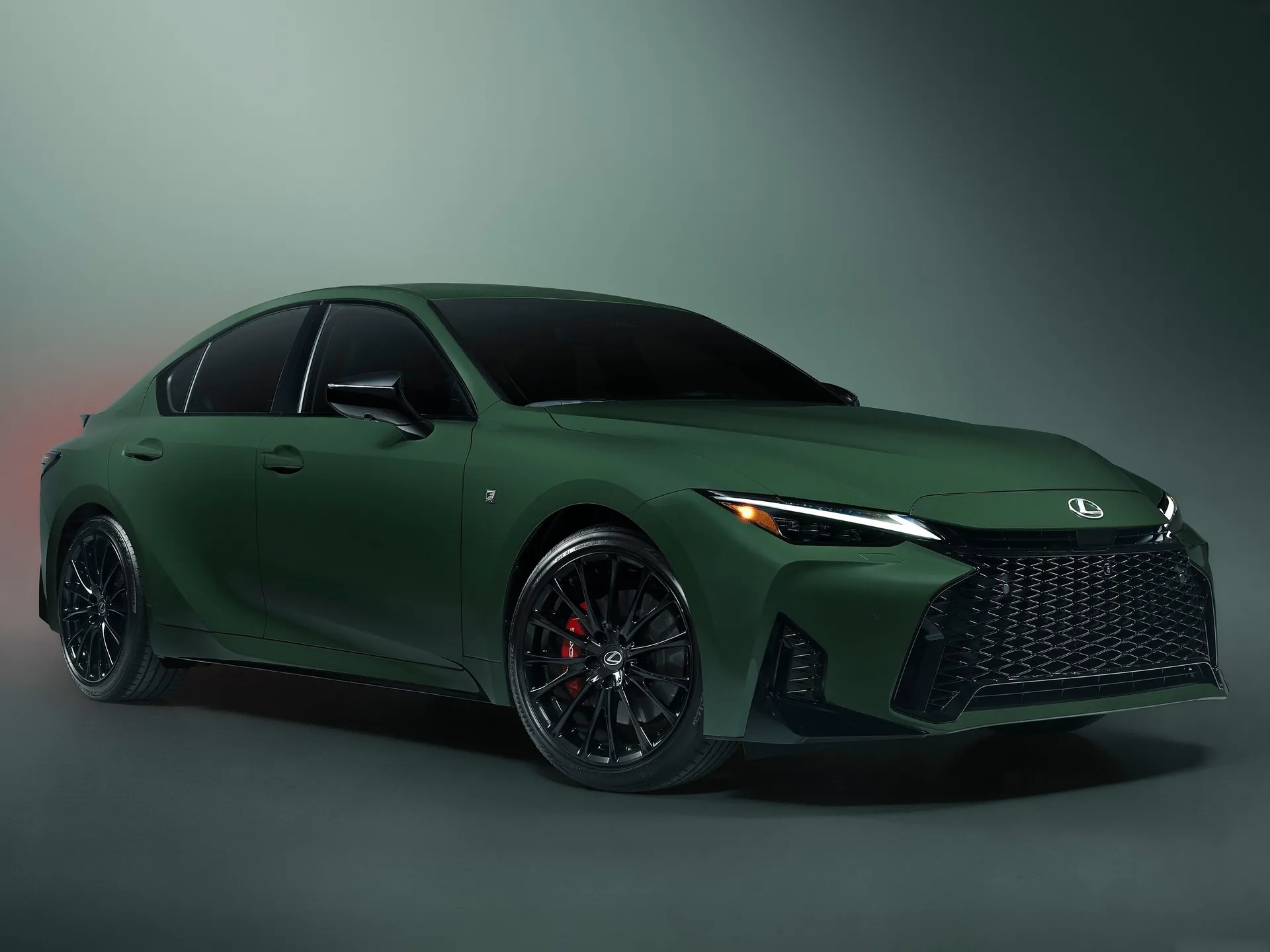
Lexus LS
In August 1983, Toyota chairman Eiji Toyoda initiated the F1 project ("Flagship" and "No. 1" vehicle; alternatively called the "Circle-F" project), as a clandestine effort aimed at producing a world-class luxury sedan for international markets. The F1 development effort did not have a specific budget or time constraints, and the resulting vehicle did not use existing Toyota platforms or parts. Instead, chief engineer Ichiro Suzuki sought to develop an all-new design, aiming to surpass rival American and European flagship sedans in specific target areas, including aerodynamics, cabin quietness, overall top speed, and fuel efficiency. During development, the 60 designers with 1,400 engineers in 24 teams, 2,300 technicians and over 200 support workers built approximately 450 flagship prototypes and 900 engine prototypes. The teams logged 2.7 million kilometres (1.7 million miles) of testing on locations ranging from winter Europe roadways, to deserts in Arizona, Australia, or Saudi Arabia, to U.S. highways and wilderness areas.
In May 1985, designers started work on the F1 project. In late 1985, designers presented the first exterior study models to F1 management, featuring a sports car-like design with a low-slung hood and narrow front profile. By 1986, the sedan used a three-box design with an upright stance, more prominent grille, and a two-tone body. Extensive modeling and wind tunnel tests resulted in a low drag coefficient for a conventional production vehicle of the time (Cd 0.29). For the passenger cabin, the materials-selection tests evaluated 24 different kinds of wood and multiple types of leather for two years before settling on specific trim combinations. By 1986, the Lexus marque was created to support the launch of the flagship sedan, and the vehicle became known as the Lexus LS. Following eight design reviews, subsequent revisions, concept approval in February 1987, and over US$1 billion in development expenses, the final design for the production Lexus LS 400 (chassis code UCF10) was frozen in May 1987 with design patents filed on 20 February 1987 and 13 May 1987.
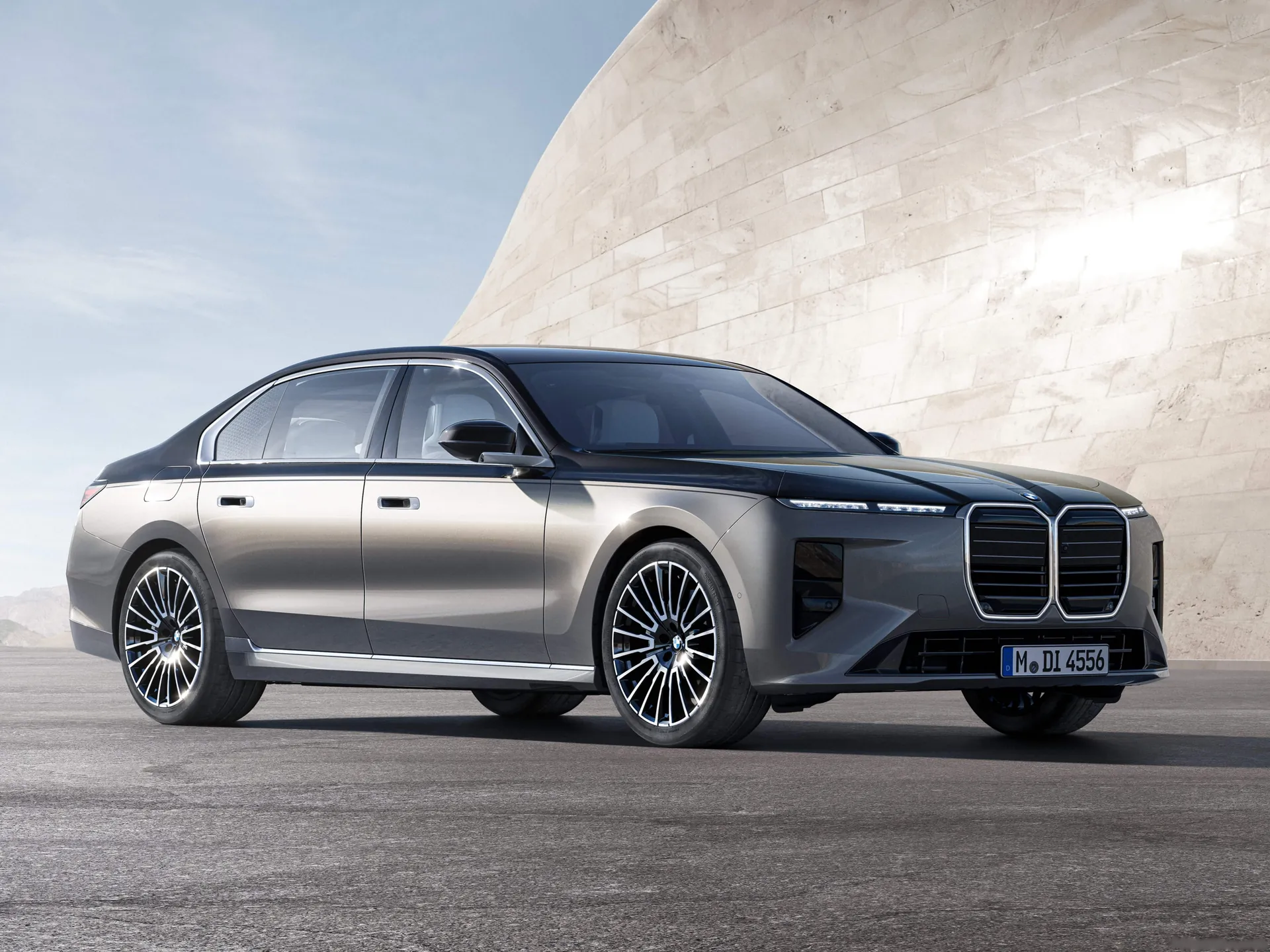
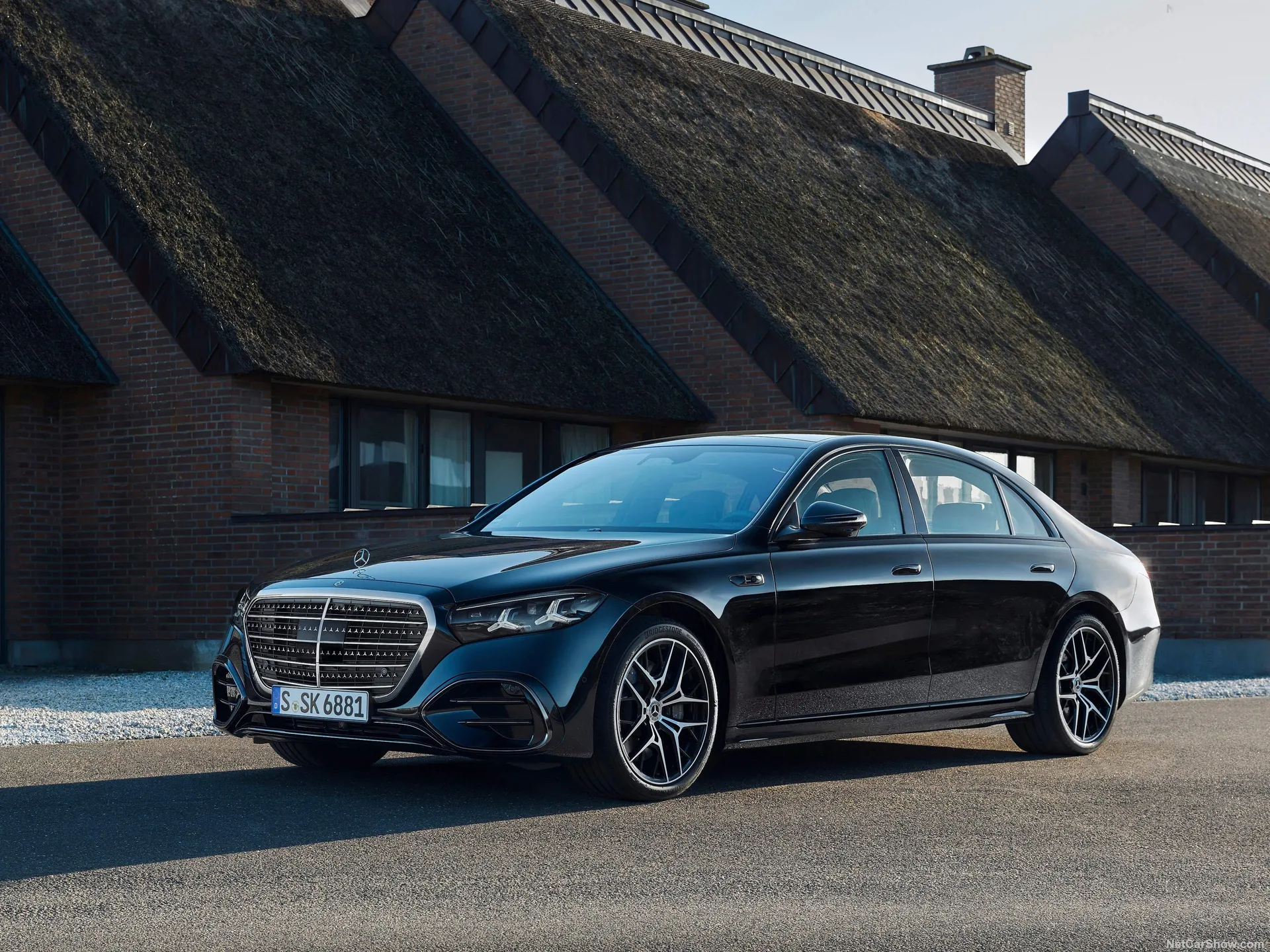
In January 1989, the LS 400 made its debut as a 1990 model at the North American International Auto Show, in Detroit, Michigan. Production began on 15 May 1989, with the first shipments leaving Japanese ports in late June 1989. The first cars were available in August 1989 and U.S. sales officially began on 1 September 1989, followed by limited exports to Australia, Canada, and the United Kingdom starting in 1990. The LS 400's new 4.0-liter 1UZ-FE 32-valve V8 engine, capable of 190 kilowatts (250 hp) and 353 newton-metres (260 ft⋅lbf) of torque, was linked to a new four-speed automatic transmission with ECT-i electronically controlled shifts, super-flow torque converter and rear differential. The chassis used an independent, high-mount upper arm double-wishbone suspension setup with twin tube shock absorbers, and a passive air suspension system was optional. The LS 400's 0-100 kilometres per hour (62 mph) time was 8.5 seconds, and its top speed was 250 km/h (155 mph). Compared to its rivals, namely the BMW 735i (E32) and Mercedes-Benz 420 SE (W126), the LS 400 had a quieter cabin, with 58 dB at 100 km/h (62 mph); a higher top speed; a lower drag coefficient and curb weight; and it avoided the U.S. Gas Guzzler Tax. At its introduction in 1989, it won the Car of the Year Japan award.
The LS 400 was among the first luxury sedans to feature an automatic tilt-and-telescoping steering wheel with SRS airbag, power adjustable shoulder seat belts, and an electrochromic rear-view mirror. The five-passenger cabin included California walnut and leather trim, power-adjustable seats, and soft-touch controls. A back-lit electro-luminescent gauge cluster featured a holographic visual effect, with indicator lights projected onto the instrument panel. The memory system stored the driver's seat, side mirror, steering wheel, and seat belt positions. Available luxury options included a Nakamichi premium sound system and an integrated cellular telephone with hands-free capabilities. The LS 400 further contained some 300 technological innovations to aid smooth operation and silence, including fluid-damped cabin fixtures, vibration-insulating rubber mounts, airflow fairings, and sandwich steel body panels. 1990-1992 Lexus LS 400 (UCF10R; Australia)
In Japan, the launch of Lexus was complicated by Toyota's existing four domestic dealership networks at the time of its introduction. The Toyota Crown and Toyota Century were exclusive to Toyota Store locations. During the LS 400's development, local dealers' requests for a Japanese domestic market version had grown, and a right-hand-drive Toyota Celsior-badged version was introduced shortly after the LS 400's U.S. debut, and introduced 9 October 1989 and only available at Toyopet Store locations. The Celsior, named after the Latin word for "supreme", was largely identical to the LS. Models came in either basic "A", a "B" model with uprated suspension, or fully equipped "C" trim specifications. The Crown and the Crown Majesta, which appeared later in 1991, were only available at Toyota Store locations which carried Japan-only Toyota luxury models, like the Century. Ownership costs for Japanese drivers were and are expensive due to Japanese Government dimension regulations and annual road tax obligations. Owning a Celsior in Japan is also considered extravagant due to the fact urban two-way streets are usually zoned at 40 km/h (25 mph) or less, as mentioned in the article Speed limits in Japan. The Celsior introduced two world firsts: high-performance twin-tube shock absorbers and an air suspension combined with an upgraded version of Toyota's semi-active Toyota Electronic Modulated Suspension, called Piezo TEMS. This was ahead of its time: Mercedes-Benz first introduced a similar electronically controlled air suspension on the 1999 Mercedes-Benz S-Class (W220) (Airmatic).
Adding incentive for early U.S. sales was a base price of US$35,000, which undercut competitors by thousands of dollars and brought accusations of selling below cost from rival BMW. Being a flagship luxury sedan in the full-size segment, the relatively low starting MSRP was actually targeted to be at $25,000 during initial stages of development. However, the depreciation of the Yen vs. the Dollar resulted in a climb to $35,000. Lexus division general manager Dave Illingworth admitted in an interview with Automotive News that many in product planning were concerned about the price hike and the potential effect it could have on sales success. Part of the concern was due to the fact that the Lexus nameplate lacked the heritage and brand recognition of German rivals such as Mercedes-Benz. Similarly, luxury cars competing in a class slightly below that of the BMW 7-Series and Mercedes S-Class averaged in the $25000 range. However, once the LS400 was released, sales figures were very positive, as the vehicle was nearly universally praised for its high standards and levels of specification. Lexus' parent company Toyota had already established a strong reputation of reliability and quality among economy cars, and the Cressida sedan gave the American market some evidence that Toyota was capable of building competent, larger luxury flagships with equivalent reliability.
In December 1989, shortly after the LS 400's launch, Lexus ordered a voluntary recall of the 8,000 vehicles sold so far, based upon two customer complaints over defective wiring and an overheated brake light. All vehicles were serviced within 20 days, and the incident helped establish Lexus' customer service reputation. By 1990, U.S. sales of the LS 400 had surpassed those of competing Mercedes-Benz, BMW, and Jaguar models. Production of the first-generation LS 400 totaled over 165,000 units. The LS 400 made Consumer Reports 2007 list of recommended vehicles that regularly last 320,000 km (200,000 mi) or more, with proper maintenance.
This article is licensed under the GNU Free Documentation License . It uses material from Wikipedia .